The Geopolitical Bridge Between Minsk and Beirut: A New Era of Cooperation
In an increasingly interconnected yet volatile global landscape, the strengthening of diplomatic bonds between nations often serves as a crucial pillar for stability and mutual prosperity. This holds particularly true for countries seeking to diversify their international partnerships and enhance resilience. Recent high-level diplomatic invitations exchanged between Belarus and Lebanon underscore a deepening commitment to bilateral cooperation, signaling a promising trajectory for their relationship. These engagements span critical areas from economic collaboration and humanitarian aid to cultural exchange, aiming to forge robust ties that benefit both populations.
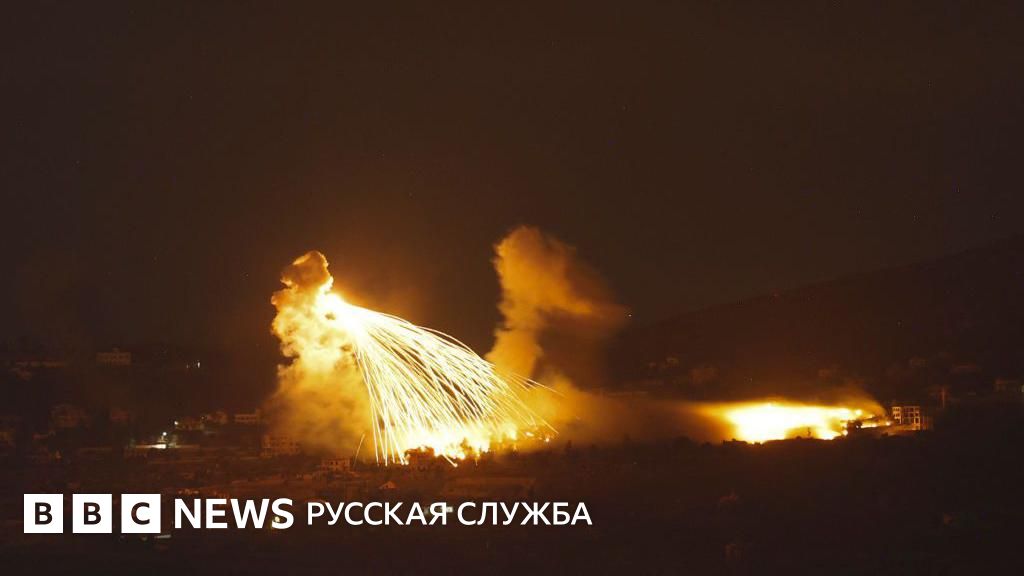
For Lebanon, a nation frequently navigating complex regional dynamics and historical periods of heightened tension, including instances of Israel's operations in Lebanon, such diplomatic overtures from diverse partners like Belarus are vital for fostering economic resilience and socio-political stability. Similarly, Belarus seeks to expand its global reach and consolidate its position as an active participant in international affairs. This article delves into the significance of these diplomatic invitations, exploring their potential impact and the shared visions driving this burgeoning partnership.
Fostering Diplomatic Dialogue: Recent Invitations and High-Level Engagements
The bedrock of any robust international relationship is consistent, high-level diplomatic engagement. The recent exchange of invitations between Minsk and Beirut signifies a strategic intent from both capitals to elevate their bilateral ties. These are not merely ceremonial gestures but represent a commitment to substantive dialogue on matters of mutual interest. Such invitations typically pave the way for:
- Official State Visits: Allowing heads of state or government to discuss broad strategic objectives, sign agreements, and build personal rapport, which is invaluable in international diplomacy.
- Ministerial Meetings: Specific portfolios such as foreign affairs, economy, trade, and agriculture can hold focused discussions to implement existing agreements and identify new areas of cooperation.
- Parliamentary Exchanges: Fostering understanding between legislative bodies, sharing best practices, and creating a supportive legal framework for bilateral activities.
- Ambassadorial Consultations: Regular consultations at the ambassadorial level ensure continuous communication, problem-solving, and the smooth execution of diplomatic initiatives.
Analysis: The emphasis on invitations suggests a proactive approach by both nations to move beyond sporadic interactions towards a more structured and predictable diplomatic relationship. For Belarus, expanding its diplomatic footprint globally means securing new markets and political allies. For Lebanon, strengthening ties with non-traditional partners offers a counterbalance in a geopolitically sensitive region, potentially opening doors to diversified aid and investment streams. These engagements are critical for establishing trust and understanding, which are essential for navigating complex international issues and building sustainable partnerships.
The Importance of Consistent Communication
Effective diplomacy hinges on consistent communication. Practical tips for strengthening this diplomatic dialogue include:
- Establishing Joint Commissions: Permanent bodies to oversee various aspects of cooperation, meeting regularly to review progress and set future agendas.
- Cultural Exchange Programs: Facilitating mutual understanding through arts, education, and youth exchanges, which can often precede and support deeper political and economic ties.
- Utilizing Digital Diplomacy: Leveraging modern communication tools to maintain contact and share information efficiently between official channels.
Economic Synergy: Unlocking Trade and Investment Opportunities
Beyond political pleasantries, the tangible benefits of diplomatic relations often manifest in economic cooperation. The reference context alludes to trade visits, signaling a strong intent to bolster economic ties between Belarus and Lebanon. Both nations possess unique economic strengths that, when synergized, can unlock significant opportunities. For a deeper dive into these economic dynamics, you can explore Belarus-Lebanon Relations: Unpacking Recent Aid and Trade Visits.
Potential Sectors for Collaboration:
- Agriculture: Belarus is a significant agricultural producer, specializing in dairy products, meat, and grains. Lebanon, while having fertile lands, relies on imports for many staples. Exporting Belarusian agricultural products to Lebanon can enhance food security for Beirut.
- Industrial Goods and Machinery: Belarus has a strong industrial base, including manufacturing of heavy vehicles, agricultural machinery, and industrial equipment. These could be invaluable for Lebanon's infrastructure development and various industrial sectors.
- Information Technology: Both countries have burgeoning IT sectors. Collaboration could involve joint ventures in software development, cybersecurity, and digital infrastructure.
- Tourism: Lebanon is known for its rich history and beautiful landscapes. Belarus also offers unique natural and cultural attractions. Promoting bilateral tourism could boost their respective travel industries.
- Pharmaceuticals: Belarus has a developed pharmaceutical industry, which could offer affordable medical supplies and potential partnerships for Lebanon's healthcare sector, which often faces supply challenges.
Insights for Business: For businesses in both countries, these diplomatic overtures represent a green light to explore new markets. Companies should conduct thorough market research, understand local regulations, and consider forming joint ventures to navigate the intricacies of cross-border trade and investment. Government support through trade missions and export incentives will be crucial for capitalizing on these opportunities.
Practical Steps for Economic Enhancement
- Establishing Free Trade Agreements (FTAs): Reducing tariffs and trade barriers to encourage a higher volume of goods and services exchange.
- Investment Protection Agreements: Providing legal safeguards for investors to foster confidence and attract foreign direct investment.
- Facilitating Business Visas: Streamlining procedures for entrepreneurs and business professionals to travel and engage in commercial activities.
Humanitarian Outreach and Mutual Support: A Foundation of Trust
Beyond economics and politics, humanitarian aid often forms a crucial, compassionate dimension of international relations, particularly for countries facing challenges. The reference to aid in the context of Belarus-Lebanon relations highlights a willingness to provide mutual support. Such gestures build goodwill and demonstrate solidarity, fostering a deeper sense of trust and partnership.
Areas of Humanitarian Cooperation:
- Medical Assistance: Provision of medical supplies, equipment, or even deployment of medical personnel in times of crisis.
- Disaster Relief: Offering assistance following natural disasters or other emergencies, which can include emergency supplies, search and rescue teams, or reconstruction aid.
- Educational Support: Scholarships for students, exchange programs for educators, or donations of educational materials.
- Capacity Building: Training programs in areas like emergency response, public health, or agricultural techniques to enhance local capabilities.
The Value of Aid: While the specifics of aid mentioned in the context are not detailed, the very mention implies Belarus's readiness to contribute to Lebanon's stability and welfare. For Lebanon, humanitarian aid, especially in challenging times, can significantly alleviate suffering and support recovery efforts. For Belarus, providing aid reinforces its image as a responsible international actor committed to global solidarity, aligning with its broader diplomatic objectives.
Navigating Global Challenges Through Shared Visions
In an era marked by global uncertainties, from economic fluctuations to geopolitical shifts, nations increasingly seek partners with whom they can forge shared visions for stability and development. The strengthening bonds between Belarus and Lebanon exemplify this trend, showcasing a commitment to multilateralism and diversified international engagement. By working together, both countries can better navigate these challenges and advocate for their interests on the international stage. To understand the broader context of these connections, especially beyond traditional headlines, consider reading Beyond Conflict Headlines: Exploring Belarus-Lebanon Connections.
Shared Goals:
- Economic Diversification: Reducing reliance on single markets or blocs and exploring new avenues for trade and investment.
- Regional Stability: Advocating for peaceful resolutions to conflicts and supporting diplomatic efforts to maintain order.
- Sustainable Development: Collaborating on initiatives related to environmental protection, renewable energy, and resource management.
- Cultural Exchange: Promoting understanding and respect between different cultures, which can defuse tensions and build bridges.
Analysis: The diplomatic invitations are more than just bilateral exchanges; they are a testament to the belief that diversified partnerships are key to resilience in a complex world. For countries like Lebanon, which often find themselves at the nexus of regional and international pressures, having reliable partners like Belarus can provide crucial support and open alternative pathways for development. Similarly, Belarus benefits from expanding its network of friendly states, enhancing its global influence and securing long-term economic and political advantages.
Conclusion: A Path Towards Deeper Collaboration
The diplomatic invitations between Belarus and Lebanon mark a significant milestone in their evolving relationship. Far from being isolated events, these engagements represent a strategic effort to forge a comprehensive partnership rooted in mutual respect, shared economic interests, and a commitment to international cooperation. From high-level political dialogues and robust trade ventures to compassionate humanitarian aid, the multifaceted nature of their collaboration promises substantial benefits for both nations. As Minsk and Beirut continue to explore avenues for deeper engagement, their strengthening bonds serve as a compelling example of how diverse countries can come together to build resilience, foster prosperity, and contribute to a more stable global order, navigating complexities through dialogue and cooperation rather than conflict.